You have an opinion about psychedelics before you see a single study. That’s fine. Keep reading.
Something shifted this year that even skeptics can’t wave off. The change did not happen in a lab or a fringe conference. It happened in the span of one week, at the top of federal health policy.
What Actually Changed in One Week This April?
On April 18, 2026, President Trump signed Executive Order 14401, directing federal agencies to speed up access to psychedelic-based treatments for PTSD, treatmentresistant depression, and addiction. Six days later, the FDA issued National Priority Vouchers to Compass Pathways, the Usona Institute, and Transcend Therapeutics, a move that compresses the standard 10-to-12-month application review down to one to two months. The same order told federal agencies to build a Right to Try pathway for investigational psychedelics, including ibogaine compounds.
All of that landed in seven days. A field that spent decades on the margins moved to the center of federal health policy in one news cycle.
Is This Political Momentum, or Real Science?
Both, and the science came first. Psilocybin produced significant reductions in depression symptoms across multiple controlled trials. In a Phase 3 MDMA-assisted therapy trial, 71.2% of participants no longer met the diagnostic criteria for PTSD by the study’s end. The FDA approved esketamine, a ketamine-derived nasal spray, for treatment-resistant depression back in 2019.
The evidence has been building for years. The policy is finally catching up to it. With vouchers now in hand, the first FDA decision on a psychedelic therapy could land within months rather than years.
Do You Need a Substance to Change Your State?
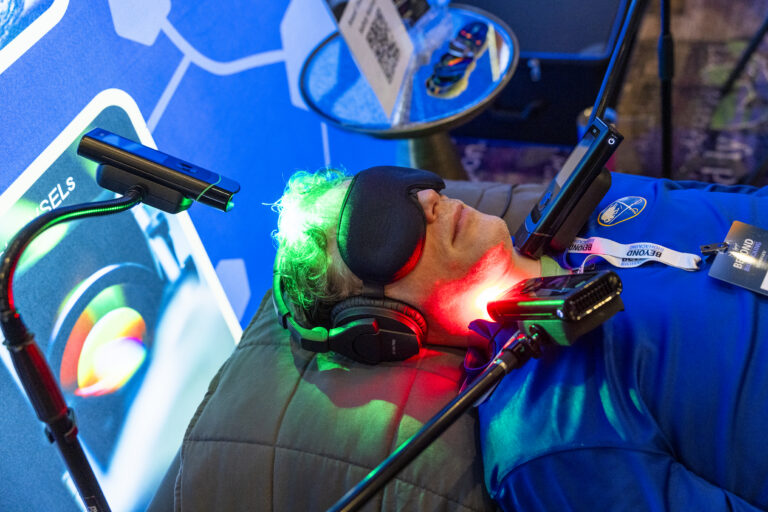
No, and this is the part most coverage misses. Substances make up one pillar of the science. The other two ask nothing of you molecularly. EEG-based brain mapping, neurofeedback, breathwork protocols, and vagal nerve work all produce measurable shifts in conscious states without ingesting anything. Research on non-substance altered states runs right alongside the pharmacology, and both lines point to the same finding: give the nervous system the right conditions and it resets.
Shamanic and traditional healing systems worked with these states for centuries, long before neuroscience had the instruments to measure them. The tools differ. They point at the same destination, a changed state and a better quality of life.
What Is Beyond Wonderland, and Who Is It For?
Beyond Wonderland comes to Austin on October 13 and 14 at the Omni Barton Creek Resort. Dave Asprey built it around three pillars: Psychedelic Science, Consciousness Tech, and Exploration. Clinical research sits next to consciousness hardware. Neuroscience sits next to ancestral practice. Every side of changing your state gets equal billing.
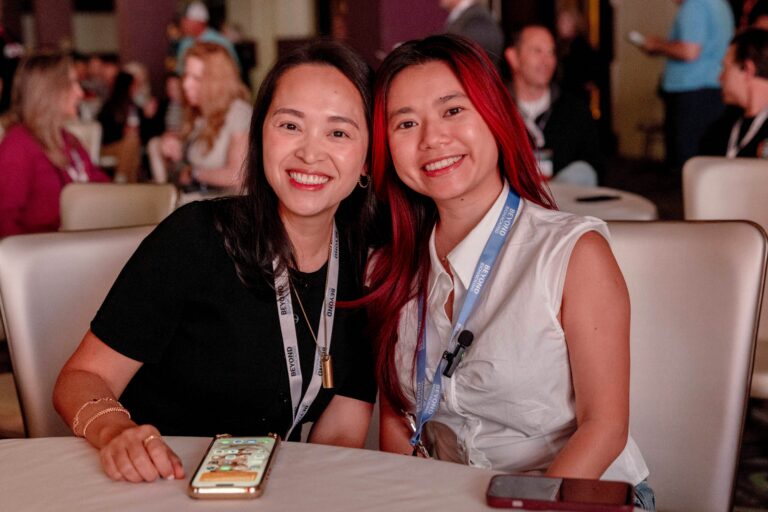
He built it for problem solvers. Physicians, researchers, therapists, neuroscientists, and psychologists come to compare notes with ceremonialists, spiritual guides, artists, and changemakers. If you are curious about bettering your life or the world around you, and you want the data behind the tools, you belong in the room. (Yes, it is fine to bring your staff and pointy hat.)
Who Will You Hear From?
Rick Doblin, founder of MAPS (the Multidisciplinary Association for Psychedelic Studies), spent 40 years moving psychedelic science through regulatory resistance. Dr. Jeff Tarrant leads research in neuromeditation and consciousness tech. Chris Kilham has spent 50 years tracking plant medicine traditions across the globe. Celine Cousteau brings a different lens: environmental and indigenous rights work, filmmaking, and decades spent documenting the cultures this field draws from. You will hear from people running real-time EEG brain mapping and from people carrying knowledge rooted in traditional, ritualistic healing lineages. Serious work, done with a sense of wonder.
Why Go This Year, Specifically?
The science of consciousness is moving faster in 2026 than at any point in the last 50 years, and the one room where all three pillars meet holds only 600 people. Most events fill a conference center. This one fits a resort. That is the whole design, and it is the reason the seats go quickly.
If you treat your state, your performance, and your longevity as problems worth solving, this is where you walk away with the tools and the neuroscience behind why they work.
Join us at Beyond Wonderland, October 13 and 14 in Austin.